Reasons to install LBN
Why LBN Is Essential?
Scroll Down
-
What is Thermal Bridging?
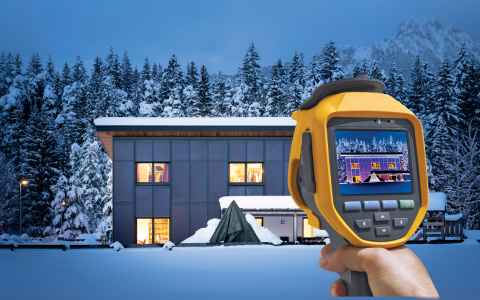
A thermal bridge is a phenomenon where insulation is weakened or interrupted in certain parts of a building, causing heat to transfer more rapidly. In other words, it refers to unintended heat loss that occurs when heat moves through areas of incomplete insulation, as if crossing a bridge.
In particular, when structural elements protrude or extend through insulated areas, conventional insulation cannot penetrate these structures. As a result, the insulation is interrupted and significant heat loss occurs, creating thermal bridges.
Thermal bridges are not always visible and are often overlooked, but their impact becomes more serious in buildings with high insulation performance and airtightness.
-
Why Thermal Bridges Matter?
Up to 30% of a building’s total energy consumption can be unnecessarily lost through thermal bridges, significantly reducing overall energy efficiency.
In addition, thermal bridges are a major cause of condensation and mold, which degrade indoor environments, harm occupant health, and compromise the structural integrity of buildings.Today, rather than simply adding thicker layers of high-performance insulation, it is far more important to design and build in a way that ensures continuous insulation without breaks. This effectively eliminates thermal bridges and has become a key factor in enhancing a building’s overall thermal performance.
By preventing heat from escaping through the building envelope, thermal breaks maximize indoor warmth, reduce energy costs, and create a comfortable, healthy environment—making them not an option, but a necessity.
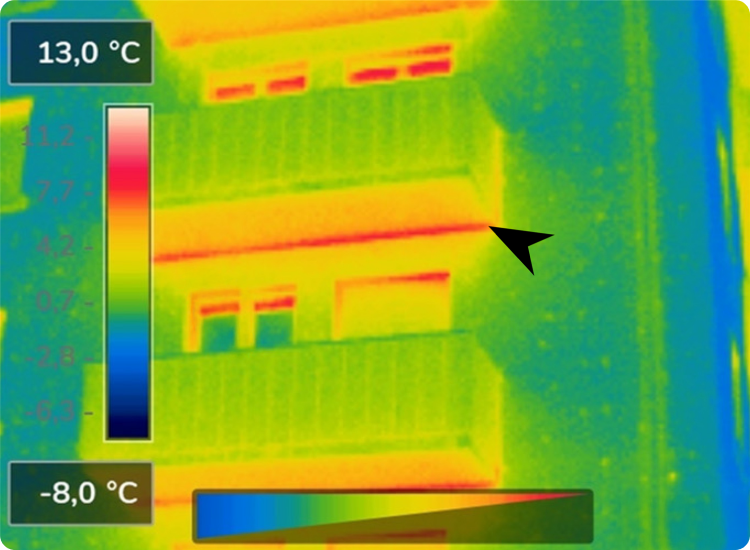

How can we solve thermal bridging?
Structural thermal breaks provide an efficient and cost-effective solution to thermal bridging, enabling the construction of buildings with superior insulation and comfort.
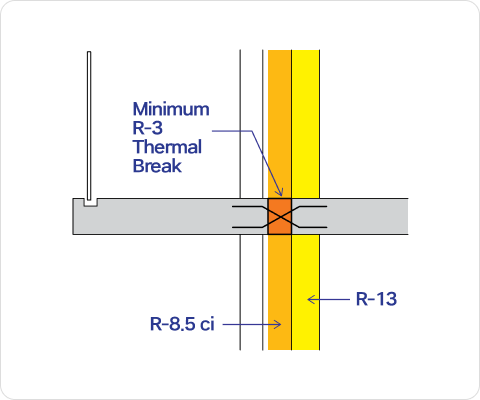
It is an insulating element installed within the concrete structure to support loads, designed to eliminate thermal breaks caused by interruptions in the insulation layer.
Even with high-performance insulation, there are limits to preventing heat loss caused by structural elements.
A structural thermal break integrates both structural and insulation functions, effectively eliminating thermal bridging at structural connections,
surpassing the limitations of conventional insulation, and maximizing building energy performance.

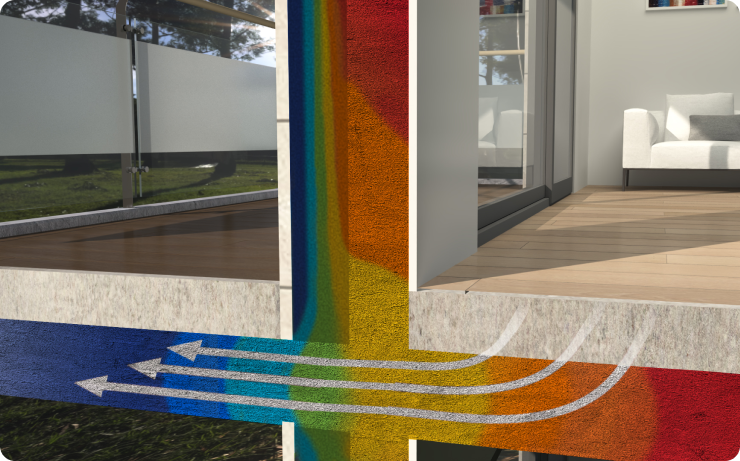
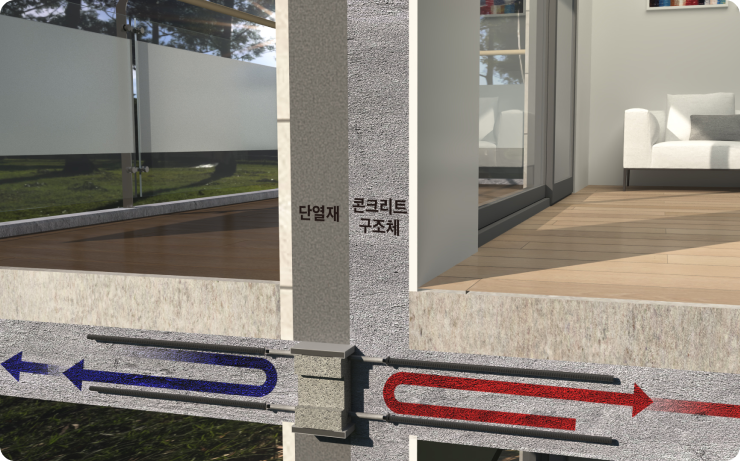

* Hover to see the image change.
Why It Matters?

1.Enhancing Building Energy Performance
Minimizes heat loss at envelope penetrations, achieving up to 80% energy savings and reducing energy costs by up to 30% with superior insulation performance.

2. Preventing Condensation and Mold
Raises interior surface temperatures by 10°C, eliminating cold slab issues and preventing condensation or mold, while creating a healthier indoor environment.

3. Enabling Flexible Design
Allows diverse designs such as cantilevered balconies without thermal issues,
enabling architects to create distinctive façades.

4. Creating a Healthy Indoor Environment
Improves thermal comfort, providing occupants with a healthier and more comfortable living environment.

5. Increasing Building Value
Reduces life-cycle costs, enhancing the long-term value and efficiency of the building.
Global Energy Codes: Thermal Break Mandates
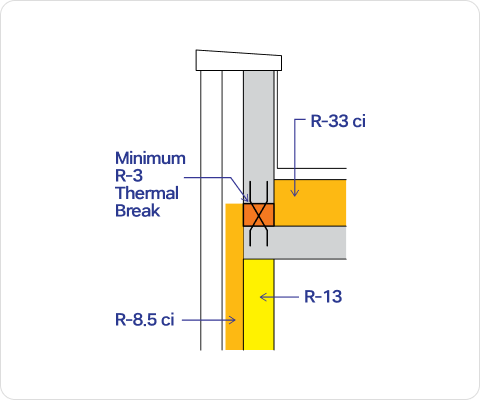
New York City has revised its energy code to mandate structural thermal breaks at balconies and parapets.
Since structural thermal breaks have a significant impact on building performance, major U.S. cities such as New York and Seattle now require their installation in new buildings.
(Energy Conservation Code, December 2020)